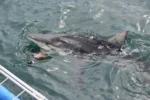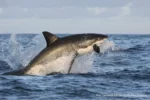

Have you ever wondered what it would be like to come face to face with a shark in its natural environment? Now before you run away screaming “Nooo….”, I am talking about coming face to face with one, safely, respectfully, and with heart-pounding excitement? Shark cage diving in South Africa offers just that: a thrilling adventure that blends education, awe, and an unforgettable connection to one of the ocean’s most misunderstood creatures.
South Africa has long been considered one of the top shark diving destinations in the world. With its rugged coastlines, nutrient-rich waters, and an abundance of marine life, it’s no wonder that both adventurers and conservationists flock to the country’s shores for a chance to encounter sharks up close.
In this blog, we’ll explore everything you need to know about shark cage diving in South Africa—from the types of sharks you might see, to the safety and sustainability of these operations, and why this experience is so much more than just an adrenaline rush.
Why South Africa?
South Africa’s diverse marine ecosystems make it a global hotspot for shark species. The country’s coastal waters are home to more than 100 different species of sharks, including great whites, bronze whalers, sevengill cow sharks, gully sharks, blue and mako sharks and even the elusive hammerhead.
But what makes shark cage diving in South Africa truly special is its unique access to these ocean giants in their natural habitat. One of the most popular locations for shark encounters is False Bay, near Cape Town. Once called the “Breaching Capital of The World”, due to the predation techniques employed by the Great White Sharks, when they were still habitual visitors to the area during the winter season. Here, sharks gather in large numbers thanks to the seasonal abundance of prey like seals, fish, and squid. Another well-known location is Gansbaai, also once dubbed the “Great White Shark Capital of the World,” due to the famous “shark alley” which is a body of water, framed on either side by seal rich bodies of land.
Whether you’re a thrill-seeker, nature lover, photographer, or marine biology enthusiast, shark cage diving in South Africa gives you the opportunity to witness the majestic beauty of these creatures in a way that is both safe and deeply educational.
What to Expect from Your Shark Cage Diving Trip
So, what does a day of shark cage diving in South Africa actually look like?
Early Morning Start
Most shark diving charters start early, typically before sunrise. You’ll either be collected from your accommodation address or you will come straight to the dive office, where you will meet the land crew. After which, you will be introduced to some of the boat crew and you will meet the rest of the guides at the launch site, whether in Simon’s Town or Gansbaai, depending on where you’re diving. After a safety briefing, introductions, and some hot coffee to shake off the morning chill, you’ll board the dive boat and head out to sea.
The Journey Out
The ride to the dive site can take anywhere from 20 to 40 minutes, depending on conditions and where the sharks have recently been spotted. Along the way, you may see pods of dolphins, seabirds, whales (in season), and other marine life, adding even more excitement to the journey.
Setting the Cage and Attracting Sharks
Once the boat anchors, the crew lowers a reinforced steel cage into the water, tethered securely to the boat. To attract sharks, the crew may use chum—a mix of fish oils and scraps (not a meal enough to feed the sharks, only enough to scent the water)—to create a scent trail in the water. This method is carefully managed to avoid overfeeding and to ensure the shark’s natural hunting behaviour remains intact.
Entering the Cage
After donning a wetsuit and mask, you’ll climb into the cage. While your body remains protected within the bars, your head and shoulders are just below the water’s surface, giving you a clear view of everything around you. Some operations offer scuba regulators, while others simply allow you to hold your breath and duck under when a shark appears. It is important to note, that African Shark Eco-Charters are the only operator to offer scuba (making use of the hookah method so no experience is needed) with every dive, making the experience even more enjoyable.
When a shark swims by—often within just a few feet—it’s hard to describe the feeling. Your heart pounds. Your breath catches. And in those few moments, all the myths and fears surrounding sharks melt away, replaced by pure, awe-struck wonder.
Back on Deck
Between cage sessions, you’ll return to the deck to warm up, grab a snack, and share the excitement with your fellow divers. Many charters provide marine biologists or experienced guides who offer insights into shark behaviour, biology, and conservation issues, adding an educational layer to the experience.
Meet the Sharks of South Africa
One of the most thrilling aspects of shark cage diving in South Africa is the variety of sharks you might see. Here’s a brief introduction to some of the stars of the show:
Great White Shark
Perhaps the most iconic of all sharks, the great white has long captivated the human imagination. South Africa has been one of the best places in the world to observe them in the wild. While sightings have decreased in some regions due to shifting ecosystems and the presence of orcas and longline fishing, great whites are still seen occasionally. It is important to question the operator when last they saw a great white and when last they were able to dive with a great white.
Bronze Whaler Shark
These beautiful, fast-moving sharks are often spotted during dives in False Bay and Gansbaai. Bronze whalers can grow up to 3.3 meters in length and tend to swim in groups. Their bronze colouring and inquisitive nature make them a favourite among divers.
Sevengill Cow Shark
This prehistoric-looking species can often be seen in kelp forests around False Bay. With their blunt heads and seven gill slits (most sharks have five), they look like something straight out of a Jurassic-era documentary.
Ragged-Tooth Shark (a.k.a. Sand Tiger Shark)
Though these sharks are not common to False Bay, they are still part of the sharks one is able to encounter in South Africa. Despite their fearsome teeth, ragged-tooth sharks are generally calm and slow-moving. They are often found along the eastern coast of South Africa, especially near Aliwal Shoal.
Is Shark Cage Diving Safe?
Yes—shark cage diving in South Africa is very safe, especially when conducted by reputable, licensed operators, like African Shark Eco-Charters. The cages are built to strict specifications, the crews are highly trained, and all safety protocols are carefully followed.
It’s important to remember that the experience is designed to observe and appreciate sharks, not provoke them. Contrary to Hollywood stereotypes, sharks are not mindless killing machines. They are intelligent, curious, and often cautious creatures.
In fact, many people walk away from shark diving experiences with a newfound respect for these misunderstood animals.
The Educational and Conservation Value
While the adrenaline rush is real, the true value of shark cage diving in South Africa lies in its power to educate and inspire. Most reputable shark diving companies are deeply involved in conservation, education, and marine research.
Here’s how shark cage diving contributes to the greater good:
Raising Awareness
Seeing a shark in the wild is a transformative experience. It shatters stereotypes and replaces fear with fascination. Guests often leave with a deeper understanding of sharks’ role in marine ecosystems and a greater appreciation for ocean conservation.
Supporting Research
Many shark diving companies work closely with marine biologists and researchers. By sharing shark sighting data, tagging information, and behaviour observations, they help build a better understanding of shark populations and migration patterns.
Creating Ocean Ambassadors
People who experience shark diving firsthand often become advocates for marine conservation. They share their stories, correct misconceptions, and support initiatives that protect the ocean and its inhabitants.
Is Shark Cage Diving Ethical?
It’s a valid question, and one that deserves careful consideration. The ethics of shark cage diving in South Africa depend on how the activity is conducted.
Responsible operators, like African Shark Eco-Charters, adhere to strict environmental and ethical guidelines. They avoid over-chumming, follow local regulations, and ensure that interactions are non-invasive and respectful. They also educate guests about marine ecosystems, rather than treating sharks as circus attractions.
If you’re considering a shark cage diving experience, do your research. Look for operators who prioritize education, conservation, and animal welfare.
Top Tips for Your Shark Diving Adventure
Ready to take the plunge? Here are a few tips to make the most of your shark cage diving in South Africa experience:
1. Book with a Reputable Operator
Choose a licensed company with a strong commitment to safety, sustainability, and education. Read reviews, check certifications, and ask questions. African Shark Eco-Charters is a great operator to start with, then if you still feel you need to, find one other to compare notes.
2. Bring Warm Clothes
Even on sunny days, it can get chilly on the water. Bring a windbreaker, beanie, and warm layers for before and after your dive.
3. Pack Motion Sickness Tablets
The ocean can be unpredictable. If you’re prone to seasickness, take medication before the trip to ensure a more comfortable experience.
4. Don’t Forget Your Camera
No operators offer underwater photography packages, they may offer a video of the day, but nothing that is specific to your experience, so if you have a waterproof camera or GoPro, bring it along! If not, most operators offer underwater pouches or go-pro rentals. The sights are unforgettable.
5. Be Respectful
Remember, you’re entering the sharks’ world. Stay calm, follow instructions, and appreciate the moment without trying to provoke or overreact.
Beyond the Dive: South Africa’s Marine Wonders
While shark cage diving in South Africa is a bucket-list experience, there’s so much more to discover along the country’s coasts:
* Explore the Cape Peninsula, home to dramatic cliffs, penguin colonies, and tidal pools.
* Visit marine reserves like De Hoop or Tsitsikamma, which offer pristine snorkeling, kayaking, and hiking.
* Join a boat-based whale watching tour during the migration seasons from June to November.
* Dive in kelp forests alongside playful seals, fish, and even more sharks.
South Africa is a treasure trove of marine biodiversity, and every experience here deepens your connection to the ocean.
In Conclusion: A Dive Worth Taking
Shark cage diving in South Africa is more than a thrilling day on the water—it’s an eye-opening encounter that stays with you long after you’ve dried off. It transforms fear into curiosity, ignorance into understanding, and passive interest into active conservation.
Whether you’re face to face with a bronze whaler, watching a sleek silhouette glide past your cage, or listening to passionate guides share their knowledge, this adventure offers a rare and precious opportunity: to see the world from a shark’s perspective—and to walk away changed.
If you’re ready to challenge your perceptions, support marine conservation, and collect stories that will last a lifetime, then South Africa is calling.
Are you ready to answer?