
Introduction
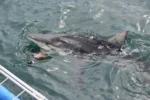
False Bay, located along South Africa’s stunning Cape coastline, is home to one of the most diverse and fascinating marine ecosystems in the world. Among its incredible inhabitants, sharks stand out not just for their power and majesty but also for the crucial role they play in keeping the ocean healthy and balanced. From the awe-inspiring great white sharks to the often-overlooked ragged-tooth sharks, these predators are vital to the well-being of marine life.
Unfortunately, sharks face numerous threats, from overfishing to pollution, and many species are declining at alarming rates. Protecting them is not just about saving individual animals—it’s about safeguarding the entire ecosystem and ensuring that future generations can experience the same wonders that we do today.
In this guide, we’ll explore shark conservation tips specifically tailored to False Bay. You’ll learn why sharks are so important, the challenges they face, and practical ways you can make a difference—whether you’re a local, a visitor, or simply an ocean enthusiast.
Why Sharks Are Crucial
Sharks are often misunderstood, but in reality, they are essential for maintaining the delicate balance of ocean ecosystems. As top tear predators, they regulate the populations of other marine species, which in turn supports the health of coral reefs, kelp forests, and fish communities. Without sharks, these systems can quickly become unbalanced, leading to overpopulation of certain species and the decline of others—a chain reaction that can affect the entire marine and land environment.
False Bay is particularly rich in shark diversity. The great white shark, which, a few years ago, visited False Bay and Seal Island in numbers, is the most famous of the shark species in False Bay, and has attracted divers and researchers from around the world. These sharks are not mindless predators—they play a critical role in controlling populations of seals and other prey, ensuring that fish numbers remain balanced. The ragged-tooth shark, also known locally as the sand tiger shark, is another fascinating resident. Though intimidating in appearance, they are relatively docile and contribute to controlling smaller fish populations. Meanwhile, the bronze whaler shark is often seen patrolling the bay, maintaining balance in mid-level predator populations.
Understanding these roles is key to appreciating why conservation is so important. Sharks are not just dangerous animals to be feared—they are ecosystem engineers, shaping the ocean environment in ways humans often overlook. Protecting them safeguards marine biodiversity, ensures healthier fish stocks for local fisheries, and helps maintain the natural beauty and balance of False Bay’s waters.
By learning about the significance of these incredible predators, you’ll see that every encounter, observation, or conservation effort contributes to a larger mission: keeping the oceans alive, thriving, and balanced for generations to come.
Threats Sharks Face
Despite their importance, sharks face a wide array of threats, many of which are caused by human activity. One of the most pressing challenges is overfishing. Sharks are often caught both intentionally and as bycatch in commercial fishing operations. Targeted shark finning—removing fins for high-value markets—remains a problem in many parts of the world. Although South Africa has made strides in regulating shark fishing, illegal practices still occur and put local populations at risk.
Pollution is another major concern. Plastic waste, chemical runoff, and oil spills degrade the environment that sharks depend on. In False Bay, urban runoff and marine traffic contribute to water pollution, which can harm not only sharks but also the prey they rely on. Microplastics are particularly insidious, entering the food chain and ultimately affecting shark health.
Climate change adds another layer of complexity. Rising ocean temperatures can alter shark migration patterns and breeding grounds. For example, sharks may move to cooler areas, changing the balance of the ecosystem in False Bay and elsewhere. Changes in prey availability due to warmer waters also affect shark feeding patterns, making survival more challenging for younger or smaller individuals.
Human-shark interactions, including tourism and recreational activities, can also have an impact if not conducted responsibly. Feeding sharks, approaching them too closely, or disturbing their natural behaviour can cause stress and disrupt local populations. Even well-intentioned encounters must follow strict guidelines to avoid unintended consequences.
Awareness of these threats is essential. While sharks are resilient, their slow growth, late maturity, and low reproductive rates make them particularly vulnerable to population decline. Every conservation action—from supporting ethical tourism to advocating for stronger environmental protection—can help ensure that False Bay remains a safe and thriving habitat for these magnificent predators.
Responsible Shark Tourism
False Bay is famous for shark tourism, particularly shark cage diving. For many visitors, this is a once-in-a-lifetime opportunity to witness these majestic predators up close. While thrilling, these encounters must be approached with conservation in mind. Responsible shark tourism is one of the most effective ways to support local conservation efforts while minimising harm to the animals.
Ethical operators, like African Shark Eco-Charters, adhere to strict guidelines: they avoid feeding sharks outside of controlled environments, maintain safe distances, and educate visitors about shark behaviour and ecosystem importance. These tours often contribute directly to research and conservation programs, funding tagging, population studies, and community education initiatives. Choosing operators that prioritise shark conservation ensures that your experience benefits both the sharks and the local community.
When participating in shark encounters, it’s important to follow a few simple guidelines:
- Do not touch or feed the sharks outside of regulated interactions.
- Respect the marine environment—avoid leaving waste or disturbing habitats.
- Follow instructions from guides carefully; they are trained to ensure safety for both humans and sharks.
- Support local research by choosing operators who contribute to tagging and monitoring programs.
Shark tourism, when done responsibly, also raises awareness. Visitors return home with a deeper understanding of sharks’ ecological roles and a passion for protecting them. By merging adventure with education, False Bay has become a model for sustainable wildlife tourism.
Even land-based activities, like guided boat tours or observation platforms, can be done responsibly. Staying informed, spreading awareness, and promoting ethical practices are all part of supporting shark conservation while enjoying the thrill of encountering these incredible creatures.
How You Can Help Sharks
Protecting sharks doesn’t require being a marine biologist or living on the coast—there are practical, impactful steps that anyone can take, whether at home or visiting False Bay. These shark conservation tips empower individuals to contribute to preserving these magnificent predators and the ecosystems they support.
1. Reduce Plastic Use:
Plastic pollution is one of the biggest threats to marine life. Sharks may ingest microplastics indirectly through their prey, which can harm their health over time. Simple actions like using reusable bags, bottles, and straws, avoiding single-use plastics, and participating in local beach clean-ups can make a meaningful difference.
2. Support Ethical Tourism:
When visiting False Bay, choose operators who prioritise shark conservation, like African Shark Eco-Charters. Ethical shark cage diving companies, guided tours, and observation experiences often contribute directly to research and habitat protection. By selecting responsible operators, you’re funding programs that monitor shark populations, track migration patterns, and educate the public about sustainable interactions.
3. Advocate for Sustainable Seafood:
Overfishing impacts not just sharks, but the entire marine food chain. Supporting sustainable fisheries and avoiding products that harm shark populations—like shark fin soup or unsustainably caught fish—helps maintain ecological balance. Look for certifications such as MSC (Marine Stewardship Council) to ensure your seafood choices are shark-friendly.
4. Participate in Citizen Science:
Many organisations offer opportunities for volunteers to help track shark sightings, collect data, and assist researchers. Programs like tagging initiatives or local conservation projects provide valuable information that helps protect sharks and their habitats. Even reporting your own observations while boating or diving can contribute to ongoing research.
5. Spread Awareness:
Education is a powerful tool. Sharing accurate information about sharks, their role in the ecosystem, and responsible human interactions can shift perceptions. Every conversation, social media post, or educational talk helps reduce fear and fosters appreciation for these incredible creatures.
6. Support Conservation Organisations:
Donations to organisations working locally and globally help fund vital research, anti-poaching efforts, habitat restoration, and public education campaigns. Whether it’s a small monthly contribution or a one-time donation, every bit helps sustain programs dedicated to saving sharks.
By implementing these tips, individuals become active participants in shark conservation, ensuring that False Bay continues to host thriving shark populations for generations to come.
Myths vs. Reality
Sharks often suffer from a reputation that exaggerates danger and instils fear. Popular media frequently portrays them as mindless man-eaters, but in reality, shark attacks on humans are extremely rare, especially in False Bay. Most species are indifferent to humans and will avoid interaction when possible.
When cage diving with great white sharks was happening every season, the teaching moment is that while awe-inspiring, they are not a relentless predator of people. Their interactions with divers were highly controlled during cage diving, and in the wild, they rarely approach humans. Ragged-tooth sharks, despite their intimidating teeth, are known for calm behaviour and are generally harmless. Even bronze whaler sharks, which patrol coastal waters, pose minimal threat when respected from a safe distance.
Understanding shark behaviour is key to dispelling myths. Sharks are curious, intelligent animals. They investigate unfamiliar objects, but are not seeking out humans as prey. By learning about feeding patterns, migration, and natural behaviour, we can appreciate sharks without unnecessary fear.
Dispelling these myths also promotes conservation. Fear drives harmful practices such as culling or indiscriminate hunting, which threaten shark populations. Education, responsible tourism, and community awareness help shift the focus from fear to respect, creating a safer environment for both sharks and humans.
By recognising the reality, rather than the myth, we foster a healthier relationship with these top-of-the-pyramid predators and ensure that conservation efforts are supported rather than undermined by misunderstanding.
Conclusion
Sharks are more than just symbols of power and fear—they are vital guardians of the ocean, ensuring the health and balance of marine ecosystems in False Bay and beyond. Protecting them is a responsibility we all share, whether through ethical tourism, sustainable choices, or simple daily actions.
By implementing these shark conservation tips, you can play a part in safeguarding these magnificent creatures. Reduce plastic use, support responsible operators, participate in citizen science, and advocate for sustainable fisheries. Every small action contributes to a larger impact, creating a thriving environment where sharks and humans can coexist peacefully.
False Bay offers a unique opportunity to witness sharks in their natural habitat, to experience their majesty up close, and to understand the critical role they play. With awareness, education, and action, we can ensure that future generations inherit a healthy, vibrant ocean teeming with life.
Remember, conservation is not just about protection—it’s about respect, understanding, and celebrating the incredible creatures that make our world richer and more extraordinary. By following these tips, you become an ambassador for sharks, helping to preserve their home in False Bay for decades to come.